


Kastle Group FORTRESS Mounts: A Complete Guide to Modular Optic Mounting
Building a modern rifle for night vision, passive aiming, thermal imaging, or general-purpose use often comes down to more than simply choosing the right optic. The mounting system determines optic height, shooting position, accessory placement, and how effectively everything works together.
That is where Kastle Group has developed an interesting approach. Rather than treating an optic mount as an isolated component, Kastle’s FORTRESS™ ecosystem is designed around modularity, allowing shooters to build a mounting configuration around the specific optic, rifle, and accessories they use.
Custom Night Vision is an authorized dealer of Kastle Group and currently offers a growing selection of Kastle mounting solutions, including FORTRESS™ scope mounts, elevated red dot mounts, diving boards, offset optic mounts, and other accessories.
For night vision users in particular, the ability to control optic height and accessory placement can make a significant difference. Kastle’s lineup includes both 1.93-inch and 2.26-inch optic heights, along with modular accessories designed to work around those mounting platforms.
What Is the Kastle Group FORTRESS™ System?
The FORTRESS™ system is Kastle Group’s modular approach to optic mounting. Instead of designing a mount that performs only one job, Kastle incorporates mounting interfaces that allow compatible accessories to become part of the overall optic configuration.
This is particularly useful on modern rifles where space is limited and multiple components may need to coexist around the optic.
A typical night vision rifle may include:
- Helmet-mounted night vision
- An elevated red dot or magnified optic
- An infrared aiming laser
- Visible or infrared illumination
- A thermal device
- A magnifier
- Secondary or offset aiming solutions
Rather than adding a collection of independent adapters and rails, the Kastle ecosystem provides a way to build many of these components around the primary optic.
Kastle FSM-193 FORTRESS™ Scope Mount
One of the most important additions to the Kastle lineup is the Kastle Group FSM-193 FORTRESS™ Scope Mount.
The FSM-193 uses a 1.93-inch optical centerline and zero MOA cant, making it particularly well suited for modern LPVO and magnified optic configurations. It is currently offered in 30mm and 34mm ring sizes.
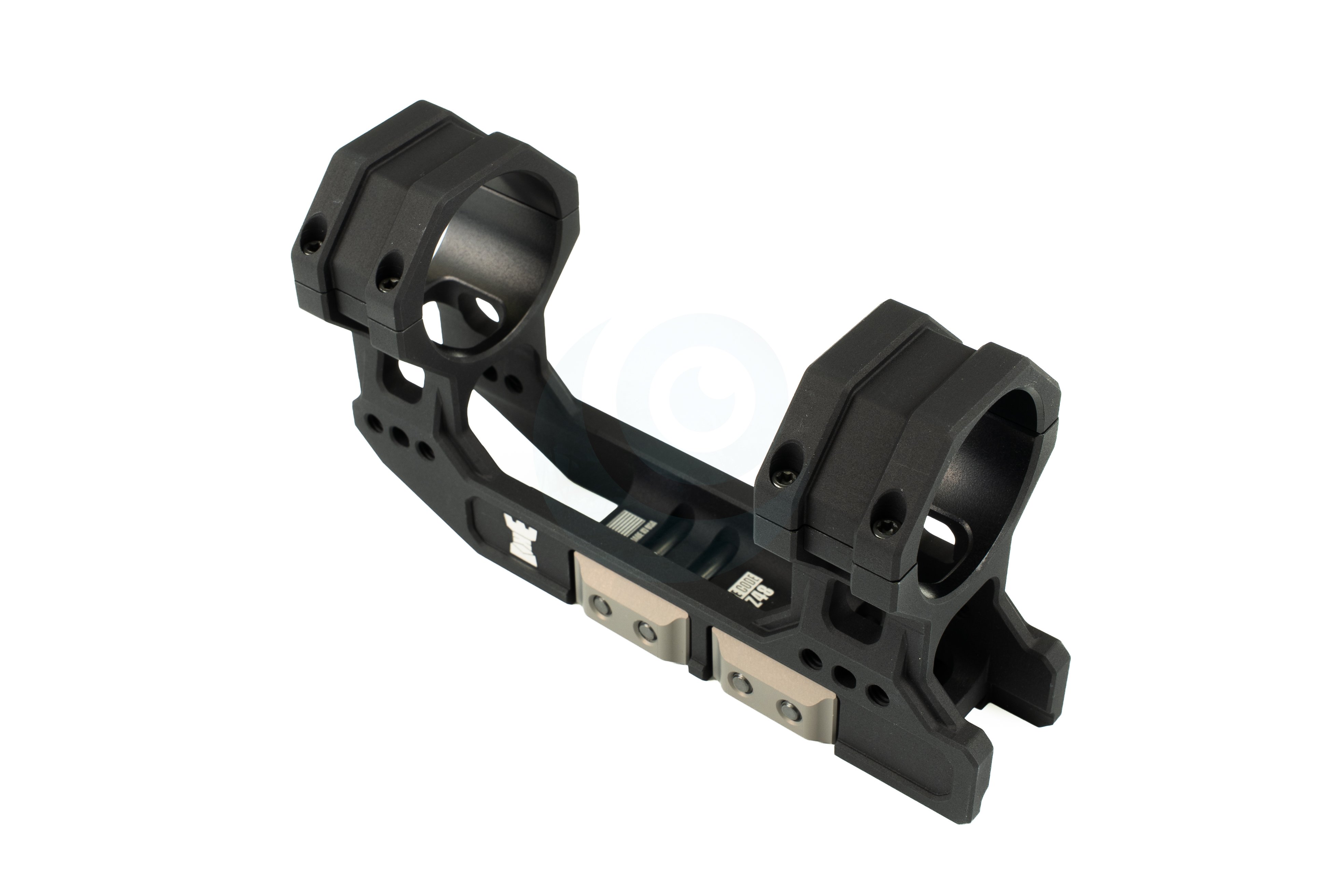
The FSM-193 is machined from 7075-T651 aluminum and uses Kastle’s titanium K-CLAMP™ mounting system. The mount also incorporates KNEKT™ modular attachment slots, giving the system an additional layer of configurability.
The 1.93-inch centerline is especially relevant to modern night vision setups. Raising the optic can provide additional clearance around helmet-mounted night vision and other equipment while allowing the shooter to maintain a more upright head position.
FSM-193 Key Specifications
- 1.93-inch optical centerline
- 0 MOA cant
- 30mm and 34mm ring options
- 7075-T651 aluminum construction
- Titanium K-CLAMP™ mounting system
- KNEKT™ modular accessory interface
- Type III MIL-SPEC hardcoat anodized finish
- MIL-STD-1913 Picatinny interface
- Available in Black, FDE, and Clear
- Made in the USA
For shooters running an LPVO or other magnified optic while also using night vision, the FSM-193 offers a combination of optic height and modularity without moving into the taller 2.26-inch configuration.
Kastle FSM-154 FORTRESS™ Scope Mount
For shooters looking for a lower optic centerline than the FSM-193, Kastle also offers the FSM-154 FORTRESS™ Scope Mount.
The FSM-154 is designed around the FORTRESS mounting architecture and provides another option for configuring magnified optics on modern rifles.
The key takeaway is that Kastle is not trying to force every rifle into one universal optic height. The FORTRESS lineup allows the shooter to select the mounting height that makes sense for the intended application.
1.93-Inch vs. 2.26-Inch Optic Heights
One of the biggest decisions when building a modern night vision rifle is determining how high the optic should sit.
Kastle offers both 1.93-inch and 2.26-inch mounting solutions, giving users significantly more flexibility when configuring their rifle.
| Configuration | Typical Application | Primary Consideration |
|---|---|---|
| 1.93″ | LPVOs, magnified optics, red dots | Elevated shooting position with moderate optic height |
| 2.26″ | Passive aiming, red dots, night vision | Maximum heads-up positioning and clearance |
There is no universal optic height that works for every rifle. The correct configuration depends on the optic, stock or brace geometry, night vision setup, shooting position, and the amount of clearance required around the optic.
Kastle MICRO-193™ Optic Mount
For rifles using Aimpoint MICRO-footprint optics, the Kastle MICRO-193™ provides a 1.93-inch mounting solution.
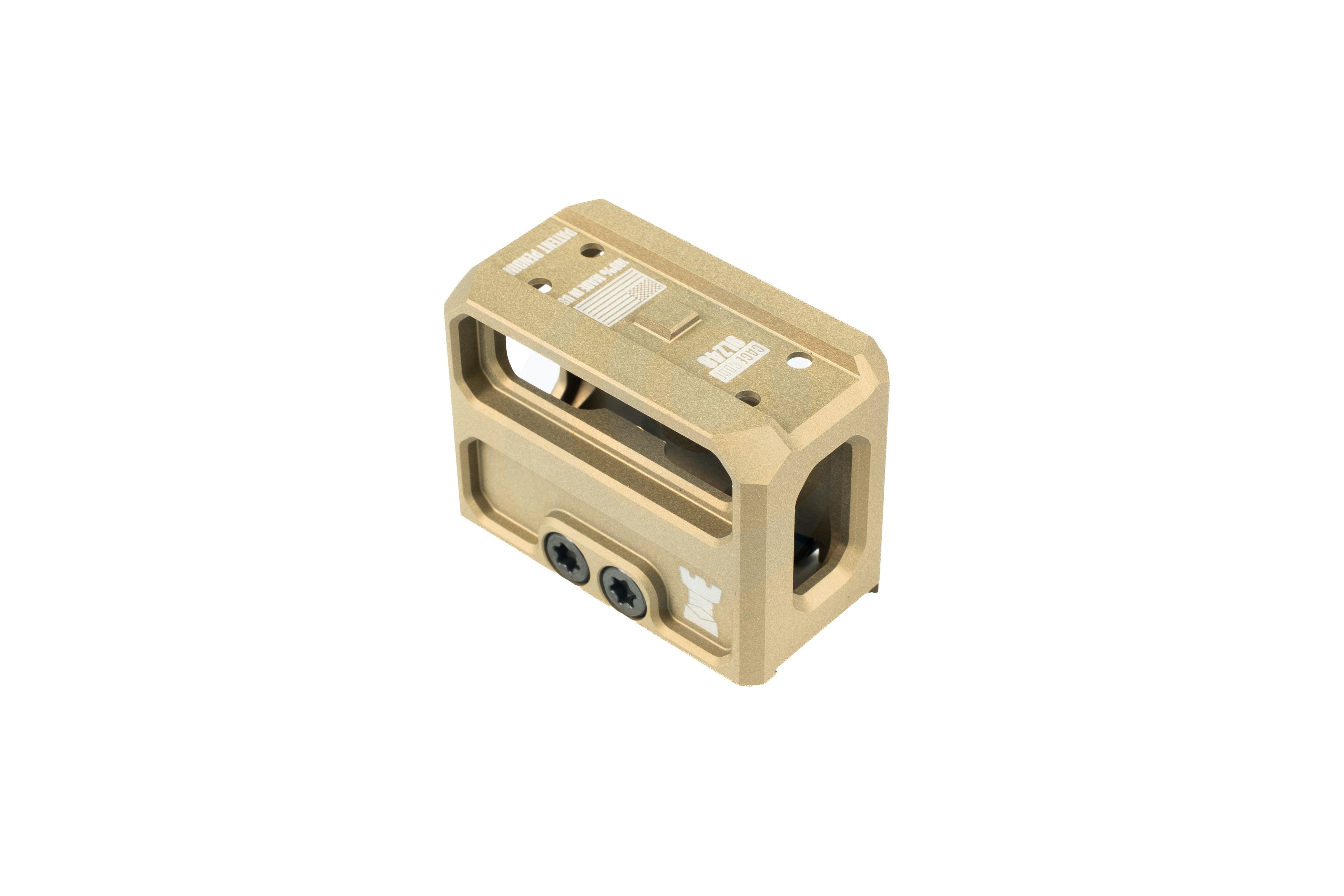
The MICRO-193 is designed around the Aimpoint MICRO footprint and uses Kastle’s FORTRESS architecture. This makes it a natural option for red-dot-based night vision rifles where the shooter wants an elevated optic without moving all the way to the 2.26-inch height.
It can also be paired with compatible Kastle accessories, including the DB-193 diving board, creating a more modular mounting platform.
Kastle MICRO-226™: Taking the Red Dot Higher
For shooters who want a higher heads-up configuration, the Kastle MICRO-226™ raises the Aimpoint MICRO footprint to a 2.26-inch optical centerline.
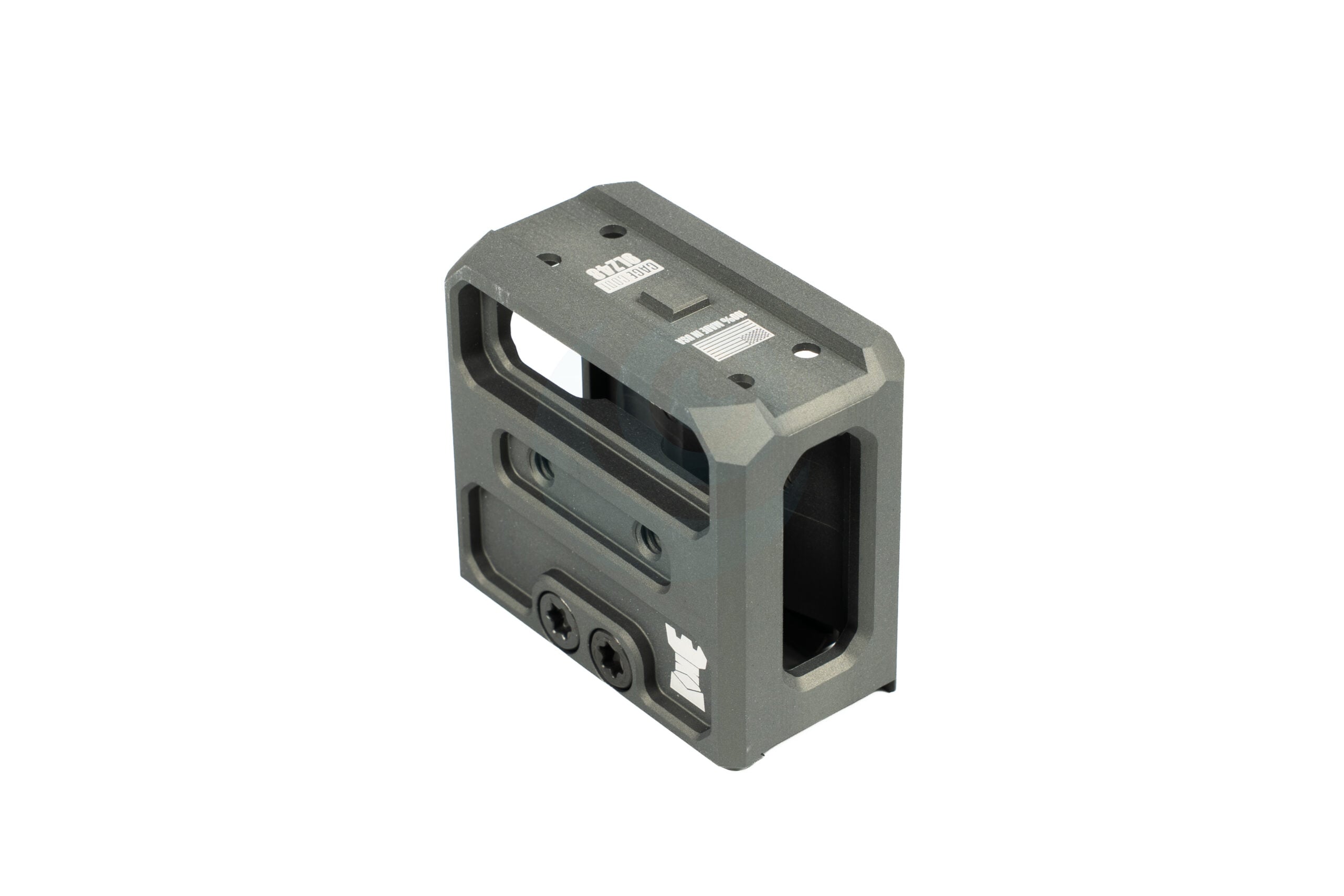
The MICRO-226 combines a 7075-T651 aluminum body with Kastle’s titanium K-CLAMP™ system and includes FORTRESS™ accessory compatibility.
The 2.26-inch height can be particularly useful for passive aiming configurations where helmet-mounted night vision is being used and the shooter wants a more upright presentation behind the rifle.
The MICRO-226 also incorporates M-LOK™ accessory slots and can be integrated with the DB-226 diving board system.
Kastle ACRO-226™ Optic Mount
Not every shooter runs an Aimpoint MICRO footprint. For enclosed-emitter red dots using the ACRO footprint, Kastle offers the ACRO-226™.
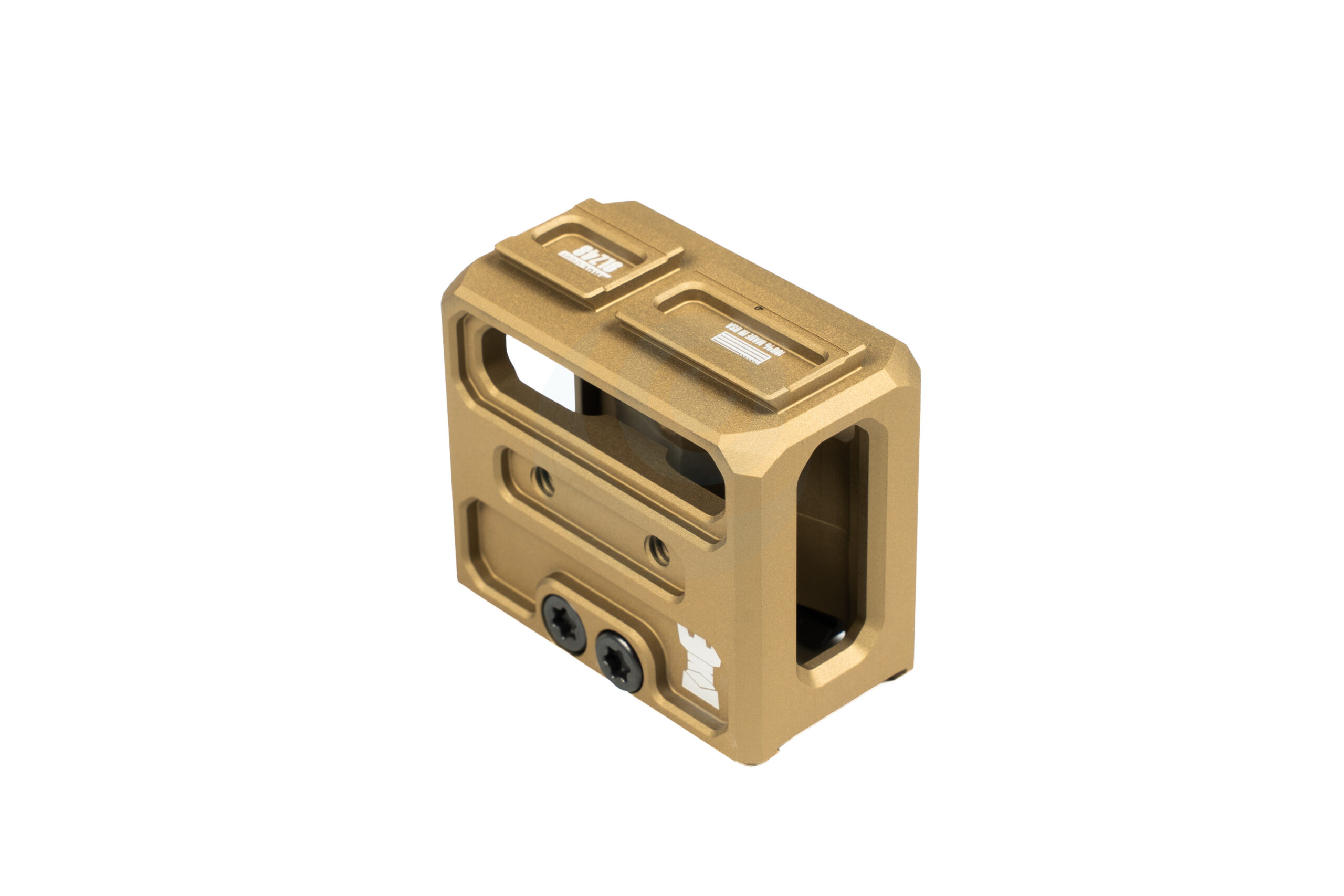
The ACRO-226 provides a 2.26-inch optical centerline and is designed around the Aimpoint ACRO footprint. Kastle lists compatibility with optics including the Aimpoint ACRO P-1, P-2 and C-2, as well as other optics using the same footprint.
Like the MICRO-226, the ACRO-226 uses 7075-T651 aluminum and a titanium K-CLAMP™ mounting system.
For a night vision rifle using an enclosed-emitter red dot, the ACRO-226 provides a way to achieve the same elevated 2.26-inch mounting concept without changing optic footprints.
The Kastle Diving Board Concept
One of the more interesting parts of the FORTRESS ecosystem is Kastle’s Diving Board concept.
The idea is straightforward: instead of trying to find additional rail space somewhere else on the rifle, a diving board extends the accessory mounting surface forward of the optic.
This can be particularly useful when mounting lasers, thermal devices, or other Picatinny-compatible accessories on rifles where handguard space is limited.
DB-193™ Diving Board
The Kastle DB-193™ is designed specifically around Kastle’s elevated optic mounts.
It is compatible with the MICRO-193™, ACRO-193™, and AEMS-226™ mounting configurations and provides additional M1913 Picatinny rail space forward of the optic.
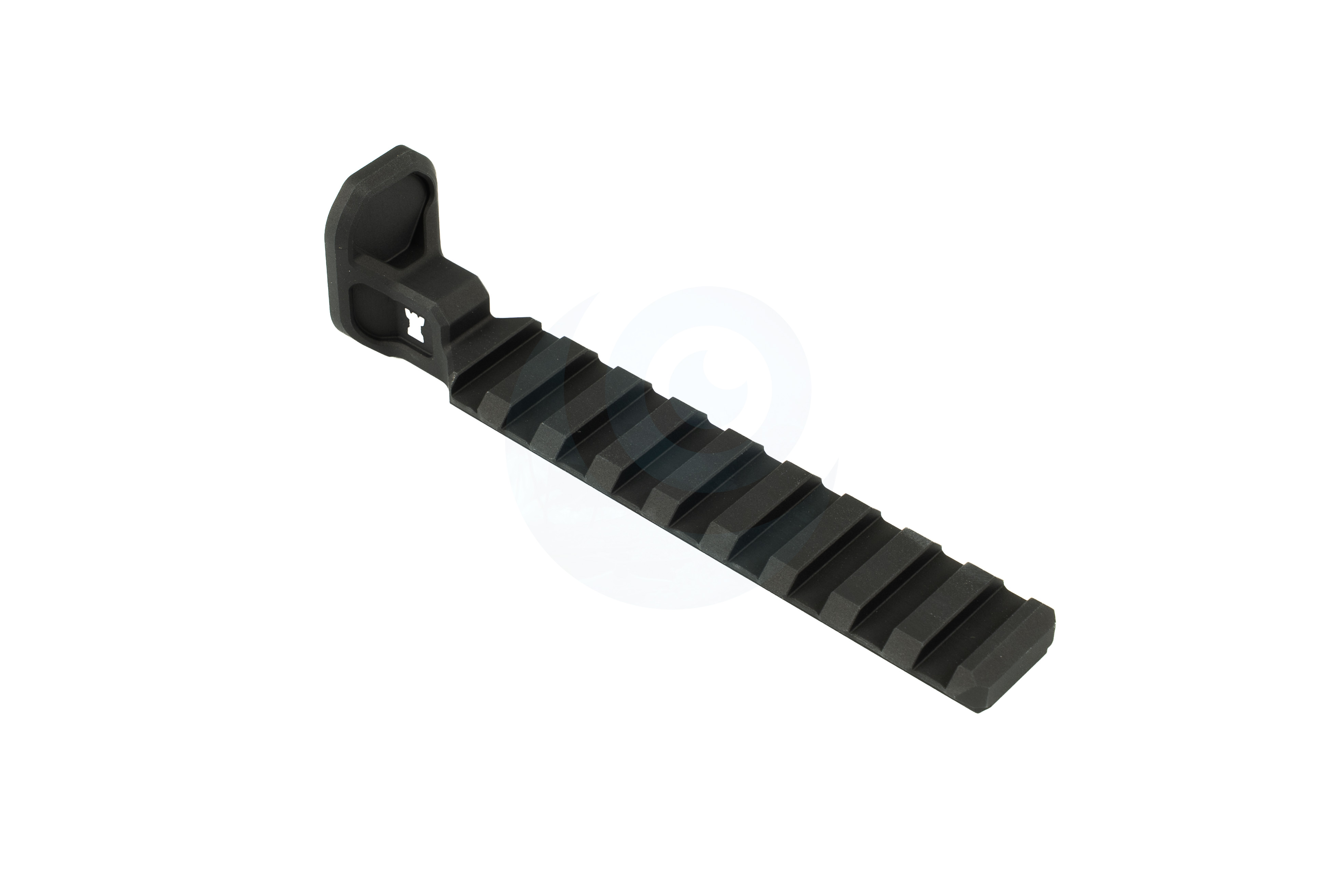
The DB-193 weighs approximately 1.6 ounces and is machined from 7075-T651 aluminum with a Type III MIL-SPEC hardcoat anodized finish.
For night vision applications, this provides a clean way to position compatible IR lasers, thermal devices, or other accessories forward of an elevated optic.
DB-226™ Diving Board
The DB-226™ follows the same basic concept while being designed around Kastle’s 2.26-inch optic-mount ecosystem.
This makes it particularly interesting for shooters building rifles around elevated MICRO-226 or ACRO-226 configurations and looking to integrate additional equipment without consuming valuable handguard rail space.
FSM-DB35™: Diving Board for 35mm Optics
For rifles using a 35mm scope mount, Kastle offers the FSM-DB35™.
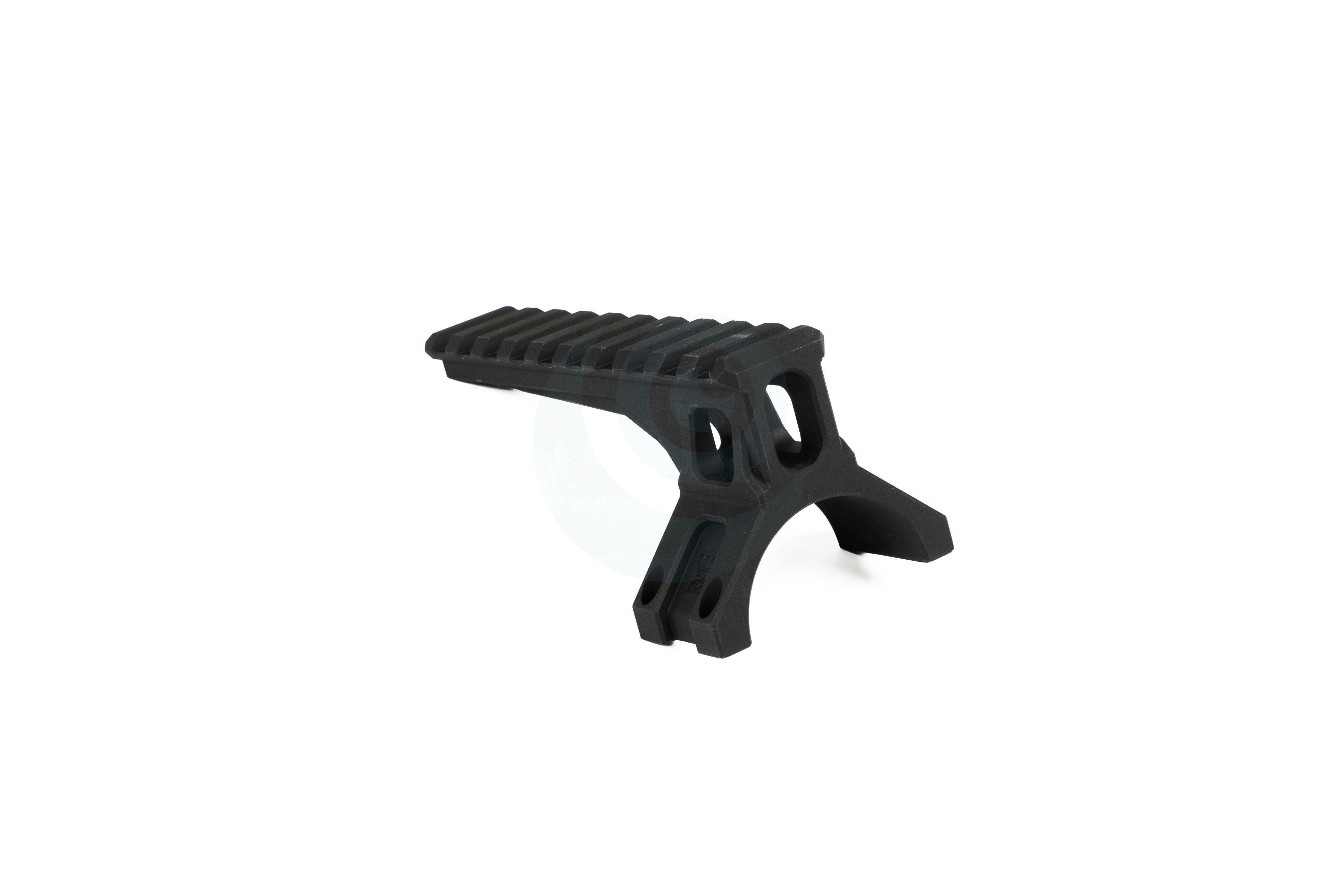
The FSM-DB35 is designed to integrate with compatible FORTRESS™ scope mounts and provides an additional 1913 Picatinny interface around the primary optic.
According to Custom Night Vision’s product specifications, the FSM-DB35 is designed for 35mm scope mounts and is compatible with most LRF platforms. It is machined from 7075-T651 aluminum and finished with Type III MIL-SPEC hardcoat anodizing.
This gives shooters another way to integrate accessories around a magnified optic without having to compromise the position of the primary optic.
Adding a 45-Degree Offset Red Dot
Another major advantage of a modular mounting system is the ability to add a secondary aiming solution.
Kastle offers several offset mounting options, including the RMR-45™ and ACRO-45™.
The RMR-45 is designed around the Trijicon RMR footprint and positions the optic at a 45-degree angle.
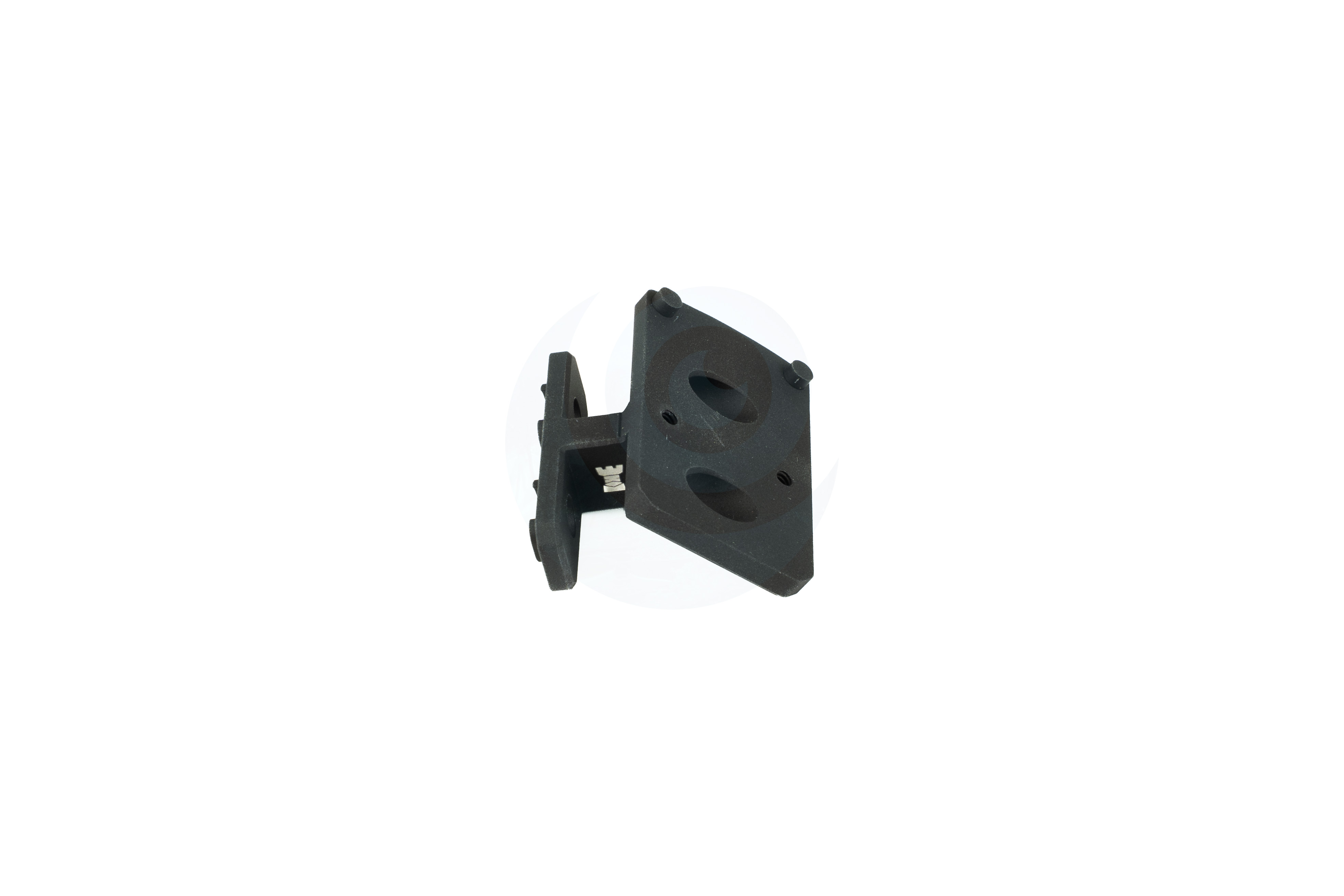
A 45-degree offset optic gives the shooter access to a secondary aiming system without removing the primary optic from the rifle. This can be particularly useful when a rifle is configured around a magnified optic but still needs a fast-access red dot.
For night vision users, offset red dots can also be incorporated into passive aiming configurations depending on the optic height and overall rifle setup.
ACRO-45™ Offset Mount
For shooters using an ACRO-footprint optic, the ACRO-45™ provides the same basic 45-degree offset concept while using the ACRO footprint.
This gives the Kastle ecosystem another layer of compatibility and allows shooters to select an offset optic based on the footprint they already use.
Building a Modular Night Vision Rifle with Kastle
The real strength of the Kastle lineup becomes apparent when these components are considered as a system rather than individual products.
For example, a rifle configured around a magnified optic could use an FSM-193 scope mount, while a red-dot-based rifle might use a MICRO-193 or MICRO-226. A compatible diving board can then provide additional mounting space for an IR laser or thermal device.
Another configuration could use an elevated primary optic combined with a 45-degree offset red dot for a secondary aiming solution.
The important point is that the mounting system can be configured around the rifle rather than forcing the rifle to work around a single mount.
Kastle Group Construction and Materials
Across the FORTRESS ecosystem, Kastle uses precision-machined aluminum construction and hardcoat anodizing on many of its mounting components.
The FSM-193, for example, is machined from 7075-T651 aluminum and uses a titanium K-CLAMP™ mounting system. Other Kastle products, including the MICRO-226 and ACRO-226, use the same general combination of lightweight aluminum construction and titanium clamping hardware.
The result is a mounting system designed to keep unnecessary weight off the rifle while maintaining a rigid interface with the Picatinny rail.
Why Optic Height Matters for Night Vision
Night vision changes the way a rifle is configured.
When shooting with helmet-mounted night vision, the relationship between the shooter’s head, the optic, the stock, and the night vision device becomes much more important than it may be on a conventional daytime rifle.
Higher optic mounts can allow the shooter to maintain a more upright head position while providing additional clearance around the night vision device. This is one reason 1.93-inch and 2.26-inch optic heights have become common considerations for modern night vision rifle builds.
However, taller is not automatically better for every shooter or every rifle. Optic height should be selected based on the entire configuration rather than as an isolated specification.
Kastle FORTRESS Mounting System Comparison
| Product | Primary Purpose | Height / Configuration | Key Application |
|---|---|---|---|
| FSM-154 | Scope mount | FORTRESS scope mount | Magnified optics |
| FSM-193 | Scope mount | 1.93″, 0 MOA | LPVOs, magnified optics, NV-compatible rifles |
| MICRO-193 | Red dot mount | 1.93″ | Aimpoint MICRO footprint |
| MICRO-226 | Red dot mount | 2.26″ | Aimpoint MICRO footprint, passive aiming |
| ACRO-226 | Red dot mount | 2.26″ | ACRO footprint, passive aiming |
| DB-193 | Diving board | 1.93″ ecosystem | Forward accessory mounting |
| DB-226 | Diving board | 2.26″ ecosystem | Forward accessory mounting |
| FSM-DB35 | Diving board | 35mm scope mounts | Accessory / LRF integration |
| RMR-45 | Offset mount | 45 degrees | RMR-footprint secondary optic |
| ACRO-45 | Offset mount | 45 degrees | ACRO-footprint secondary optic |
Choosing the Right Kastle Mount
The best place to start is with the optic you intend to use.
If you’re running an LPVO or traditional magnified optic, the FSM-193 is an important option to consider when a 1.93-inch centerline makes sense for your rifle. If you need a different scope-mount configuration, the FSM-154 provides another FORTRESS option.
For red dots, determine which footprint your optic uses. Aimpoint MICRO-footprint optics can be paired with the MICRO-193 or MICRO-226, while ACRO-footprint optics can be paired with the ACRO-226.
From there, determine whether you need additional accessory mounting space. If so, a compatible diving board can extend the system forward of the optic.
Finally, if you want a secondary red dot, Kastle’s RMR-45 and ACRO-45 provide 45-degree offset mounting options for compatible optic footprints.
Custom Night Vision: Your Kastle Group Source
At Custom Night Vision, we focus on the equipment that goes into complete night vision systems and the rifles used alongside them. Kastle Group’s approach to optic mounting fits particularly well into that ecosystem because optic height, passive aiming, IR laser placement, and night vision clearance all need to work together.
Whether you’re putting together a dedicated night vision rifle, upgrading an existing LPVO setup, or building a modular red-dot configuration, Kastle gives you the ability to select individual components based on the configuration you’re trying to achieve.
Shop the complete Kastle Group lineup at Custom Night Vision to see the current selection of FORTRESS™ mounts, diving boards, offset mounts, optic risers, and accessories.
Frequently Asked Questions
What is the Kastle Group FORTRESS system?
The FORTRESS system is Kastle Group’s modular optic mounting ecosystem. It includes scope mounts, red-dot mounts, diving boards, and compatible accessories designed to work together on modern rifle configurations.
What is the difference between the Kastle FSM-193 and MICRO-193?
The FSM-193 is a scope mount designed for magnified optics and is offered in 30mm and 34mm configurations with a 1.93-inch optical centerline. The MICRO-193 is a red-dot mount designed around the Aimpoint MICRO footprint.
Why would I choose a 2.26-inch optic mount?
A 2.26-inch optic mount can provide a higher, more heads-up shooting position and additional clearance around helmet-mounted night vision equipment. The correct height depends on the complete rifle configuration and the shooter’s setup.
What is a Kastle Diving Board?
A diving board is an accessory mounting platform that extends forward from a compatible optic mount, providing additional Picatinny rail space for compatible accessories such as lasers or thermal devices.
Are Kastle Group mounts made in the USA?
Yes. Custom Night Vision’s Kastle product listings identify the featured mounting components as made in the USA.
Does Custom Night Vision sell the complete Kastle Group lineup?
Custom Night Vision currently carries a growing selection of Kastle Group products, including FORTRESS scope mounts, elevated red-dot mounts, diving boards, offset mounts, and accessory components.
Final Thoughts
Kastle Group has taken a different approach to optic mounting by building an ecosystem instead of simply producing individual mounts.
The FSM-193 provides a 1.93-inch solution for magnified optics, while the MICRO-193, MICRO-226, and ACRO-226 address elevated red-dot configurations. From there, diving boards and offset mounts allow users to expand the rifle without relying on a collection of unrelated adapters.
For modern night vision rifles, that modularity can be especially useful. Optic height, night vision clearance, passive aiming, laser placement, and accessory integration all become part of the same design process.
If you’re looking to build or upgrade a rifle around night vision, thermal, or passive aiming, take a look at the Kastle Group collection at Custom Night Vision and build the mounting system around your specific rifle and optic.